Mwzimba, founder of ZenRocket
I started ZenRocket AI to fund a different idea. Then the work became part of the mission.
I am Mwzimba, a journalist who became a developer. I build small, careful AI systems for founders, and I will tell you when AI is the wrong answer.
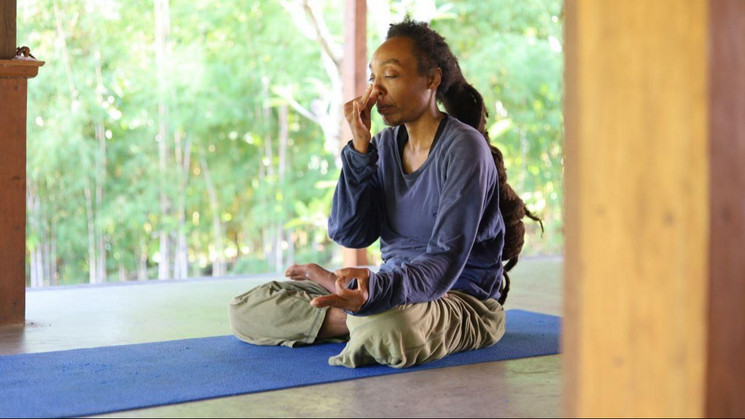
My name is Mwzimba. Before I built software, I worked as a frontline journalist covering war. Earlier in my life, there were nights when I slept on concrete.
Neither experience gave me a neat lesson. They changed what I notice. Journalism taught me to listen when a situation is messy and the first explanation sounds too clean. Harder years taught me how much the systems around us shape our choices, especially when we have little room to move. That instinct followed me into technology.
From New York to a startup in Thailand
My road into software was not planned. It took me from New York to Southeast Asia, then into a startup in Thailand where I went from knowing almost nothing about development to writing code for real products.
I learned by building under pressure, breaking things, repairing them, and returning the next day with better questions. Code gave me a way to turn an idea into something another person could actually use.
It also showed me the distance between having a vision and making that vision survive contact with money, deadlines, and everyday human behavior.
The practical beginning of ZenRocket
I originally wanted to build HealSol Hub, a platform rooted in healing and spiritual practice. The idea mattered deeply to me. It still does.
But vision alone could not fund the months of work required to make it real. I needed to become better at the craft, learn how businesses operate, and create work that could support the larger mission.
ZenRocket AI began as that practical answer. I would help other founders build their systems while learning how to build my own.
Then the work became more meaningful than the plan I had made for it.
When someone lets you into their business, they are showing you more than a workflow. You see the promises they are trying to keep and the parts of the company that only exist because one person remembers them.
Software enters all of that. It can create breathing room. It can also create a new dependency that nobody fully understands.
Where spirituality meets the work
Spirituality is not branding here. For me it comes down to attention, which happens to be the same skill that keeps software honest. Shaolin training taught me that attention is something you practice, especially when the work is uncomfortable.
Business is part of personal growth because it reveals you. Your habits enter the company. So do your fears, values, and relationship with control. No system removes that human layer.
This belief changes how I build. I ask whether the product respects people’s attention. Important actions should remain visible, and the person using the system should have more agency at the end.
Software should be honest about what it can do and careful about what it is allowed to do. I explore the same relationship between technology and self-authorship in The Sovereign Creator.
What I build now
ZenRocket AI builds bespoke AI Operating Systems and Second Brains for teams with fewer than 50 people. We also help companies become AI-native by studying how work moves, redesigning the right workflows, and building custom solutions with the people who will use them.
Tampah Agent helps a property business organize conversations, CRM details, documents, reply drafts, and daily priorities. ChatX turns multilingual WhatsApp conversations into a searchable inbox with transcripts and cited answers.
Both products are built with the Pi Agent SDK. Their agent harnesses define which company data and tools the AI can reach, while sensitive communication waits for human review. When we build with Pi, OpenRouter lets us choose models according to the task, speed, and cost.
Other ZenRocket AI Second Brains may use either the Pi Agent SDK or the Claude Agent SDK. We choose the foundation that fits the workflow and level of control instead of forcing every company into one technical pattern.
Where the data and access requirements call for it, we can deploy on a client-controlled server with private access through Tailscale. Security also depends on credentials, permissions, backups, model access, logs, and human review, so we design those boundaries as part of the system.
Most businesses need AI in one place before they need it everywhere. I look for where language, memory, and repeated decisions are costing people attention. Then I build one useful loop and let real work show us what should come next.
What you can expect from me
I will tell you when AI is the wrong tool.
I prefer to begin with a narrow workflow rather than a long proposal full of imagined features. You should be able to try the product early, question it, and see its limits.
Sensitive communication should stop for review. Tampah Agent and ChatX can read and prepare drafts, but they cannot send WhatsApp messages by themselves.
I also care about the handoff. The architecture should be understandable. Important boundaries should be documented. Your business should not depend on facts that live only in my head.
You work directly with the person asking the questions and writing the code. I take on fewer projects because of that, and I document the work so the important knowledge does not stay trapped in my head. Both choices are deliberate.
“This is real engineering, not a quick AI-generated patchwork. The tech stack is sensible, the code is well separated, and the project includes migrations and a proper test suite. That matters because AI-assisted changes become much safer when you can immediately verify that nothing broke.”